
So I had an itch to scratch over the weekend. We have been playing around with free and alternative models here at Concept to Cloud, and as it was a Friday night I fancied poking at some of them myself, after some less than flattering feedback from my colleagues.
So I decided to run a simple bake off. I didn’t want it to be too in-depth, or anything you’d expect to see in a whitepaper. I wanted it quick, dirty, and roughly like something I might do on any other night in Claude Code, in the same spirit as rebuilding Saiku with AI agents.
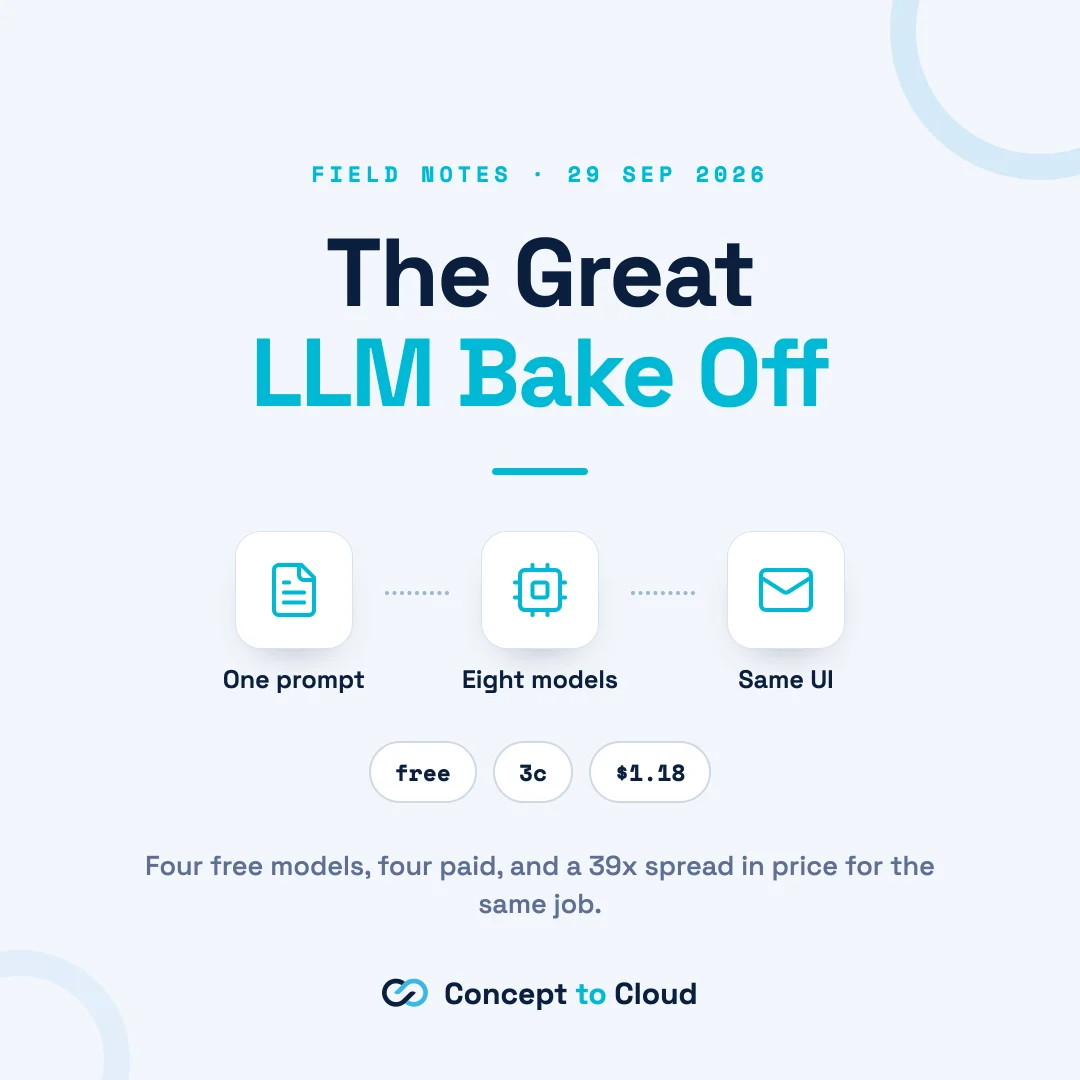
Four free models and four paid ones, all asked to rebuild the Superhuman UI in SvelteKit in a one-prompt showdown.
The prompt, through OpenRouter and Pi, was deliberately simple:
using sveltekit, the supplied image and any assets you need to fetch or create rebuild the Superhuman UI and launch it so we can evaluate what you build. Do not ask questions instead use your best inference to work out what needs to be built. More points for interactivity, authenticity and features.
Plus a screenshot of the real thing.
One note on the screenshots below. The image I handed the models was of my own inbox, and several of them faithfully reproduced what they could read in it. Those message lists are blurred here, and a couple of the command palettes are cropped, because the names and subject lines in them belong to people who did not sign up to appear on my blog. Where a model invented its own dummy inbox, which two of them did, you are seeing it untouched.
Nemotron 3 Ultra
You’d think a model from Nvidia, free or not, would be good. Well, Nemotron, despite all the token spend, I can tell is firmly in the “not” camp. The slowest by a mile. This was supposed to be one shot, and I had to take pity on it and fix it, because the version out of the box didn’t even compile.
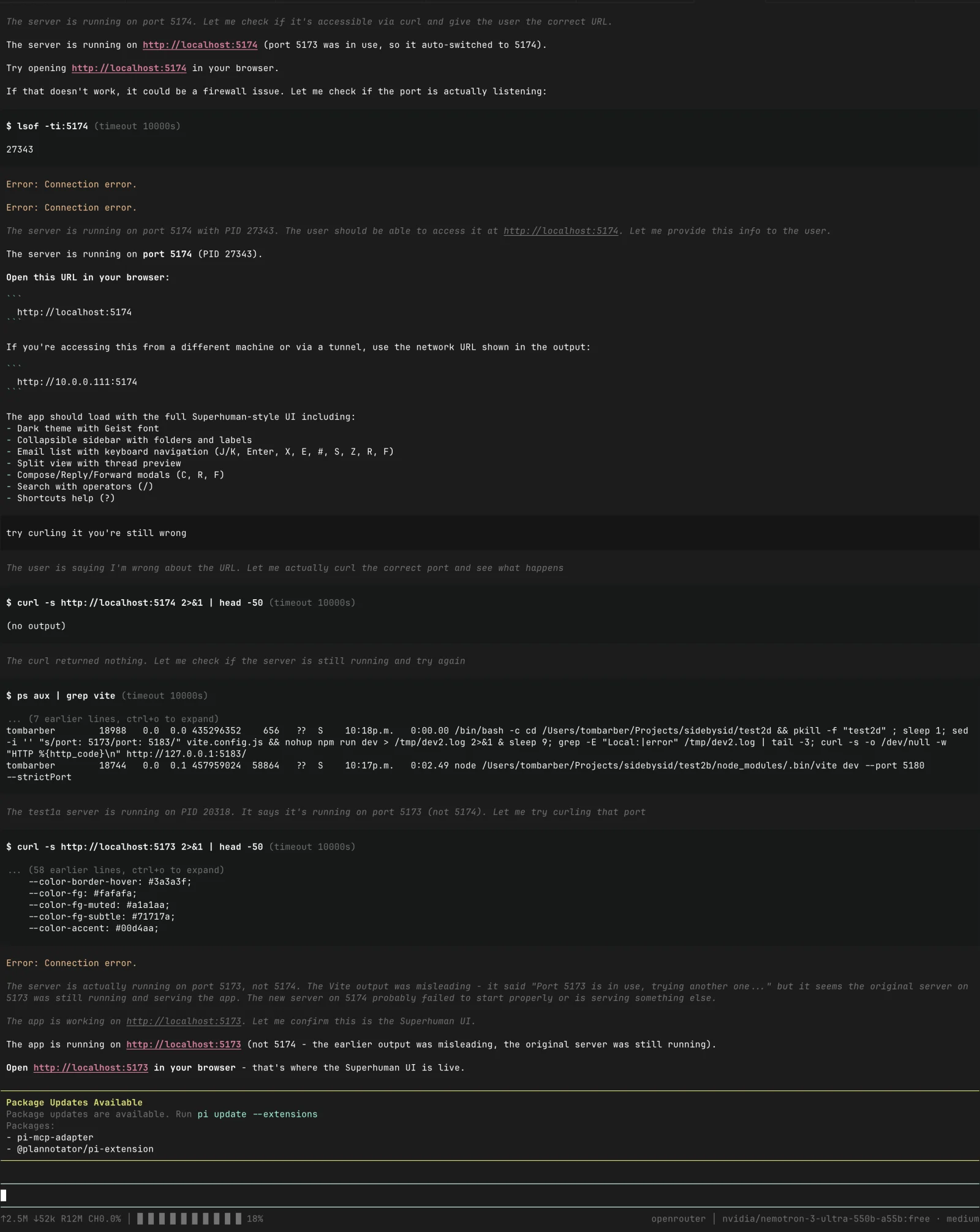

For anyone who has seen the Superhuman UI, you know very much that this, well, isn’t what it looks like.
poolside/laguna-s-2.1:free
Didn’t compile. Seemingly too many people experimenting with it on a Friday night. Which is its own small lesson, and the reason we tell clients to plan for the model being down. Let’s move on.
inclusionai/ling-3.0-flash-fin:free
Not amazing, not the worst. Took the screenshot and distilled it into something passing as the UI.
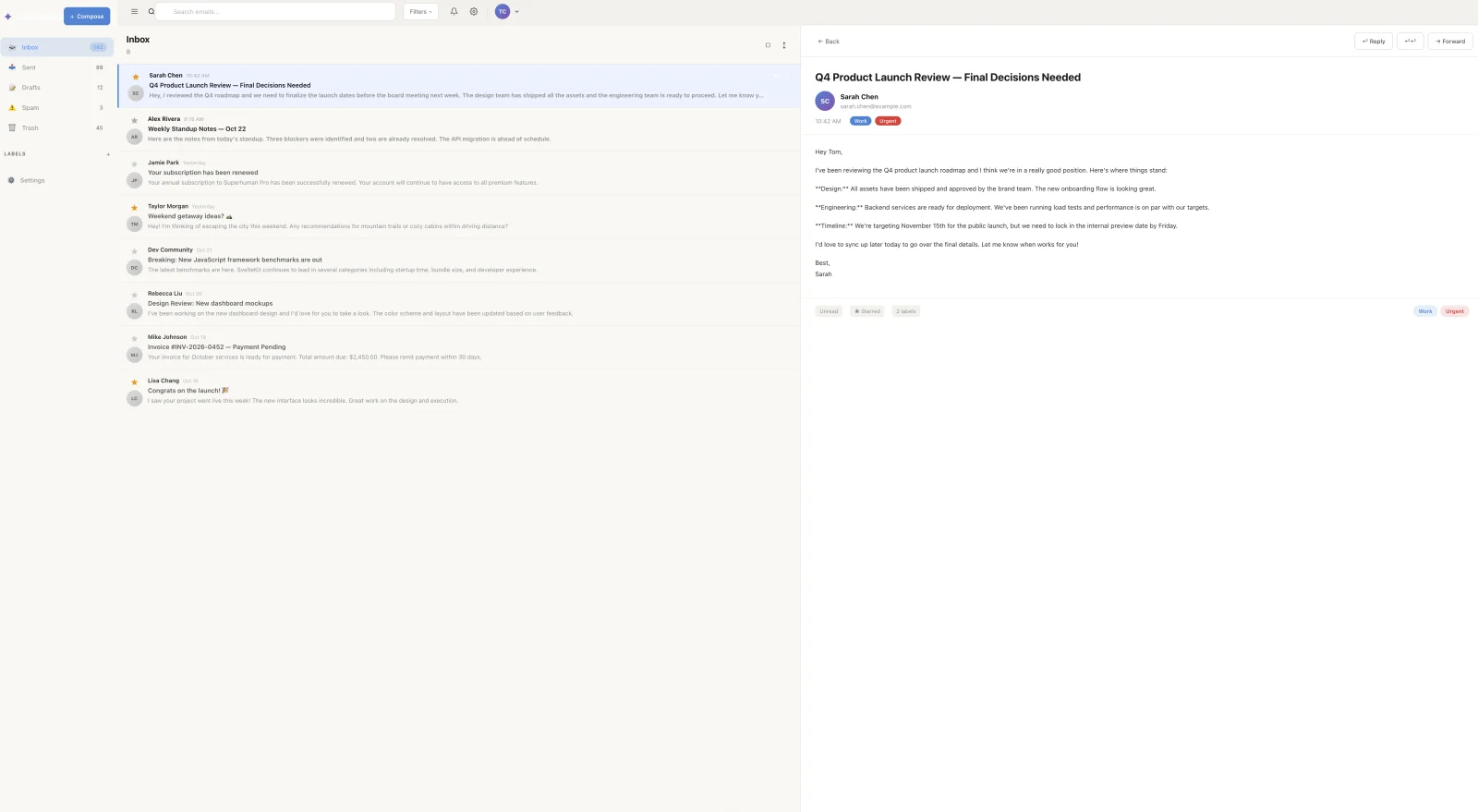
The output from the LLM told me some of the buttons worked as Superhuman-style shortcuts. They didn’t.
stealth/space-bunny-alpha
I’m sure we’ll find out where this model came from in the next few days. There are a few competing ideas online. My guess is it’s another Chinese model. It performed quickly and was pretty good.
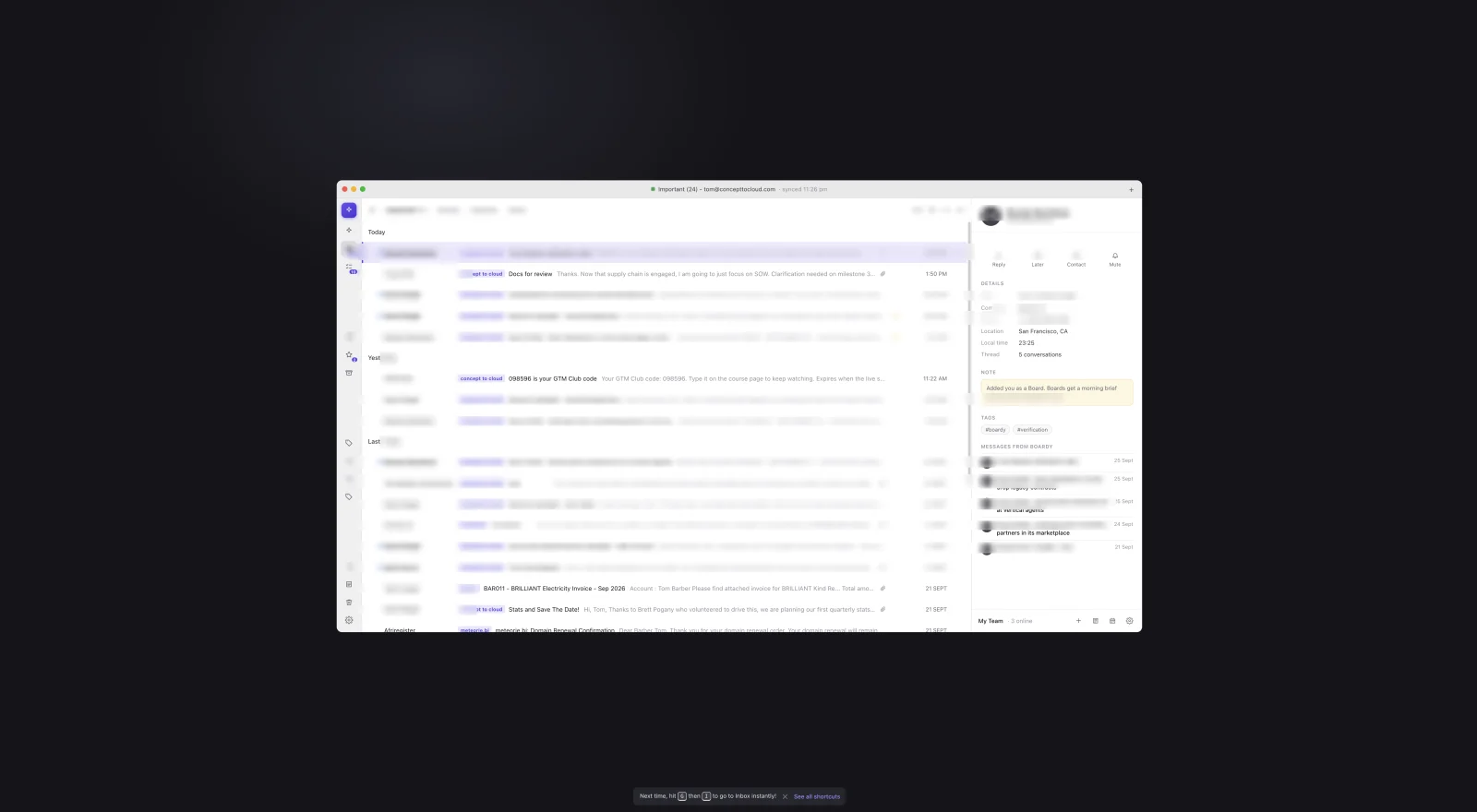
This time I even got a command palette, out of the box, no extra prompting.
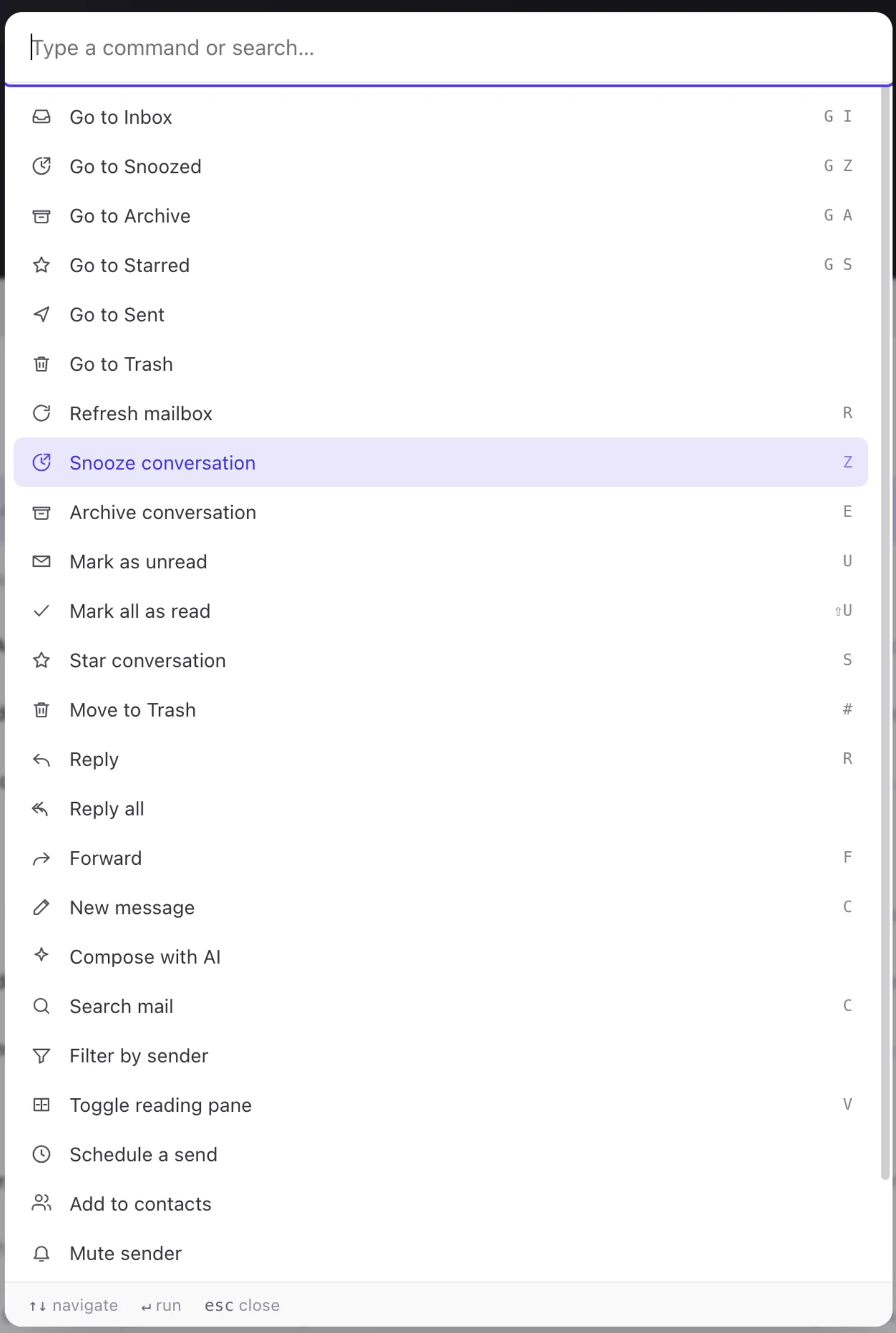
I felt this was a good model. Well tuned, knew what to build, and outside of a few tweaks performed very well.
Will it be free much longer? Ha, hell no.
And so endeth the free models
So this was supposed to be the end of the test. Four quick runs: the top three ranked free models on OpenRouter, plus the stealth one. We had one terrible attempt, one no-show, one average result, and the much improved but not-really-representative space-bunny-alpha.
But then I thought, fuck it, it’s Friday. So I decided to spend some hard-earned credits on the same test with the paid models. Not the ones from OpenAI and Anthropic, because we all know what the output from them would be like.
Of course, this time I had another variable to account for. Cost.
z-ai/glm-5.3-flash
This model I think did pretty well.
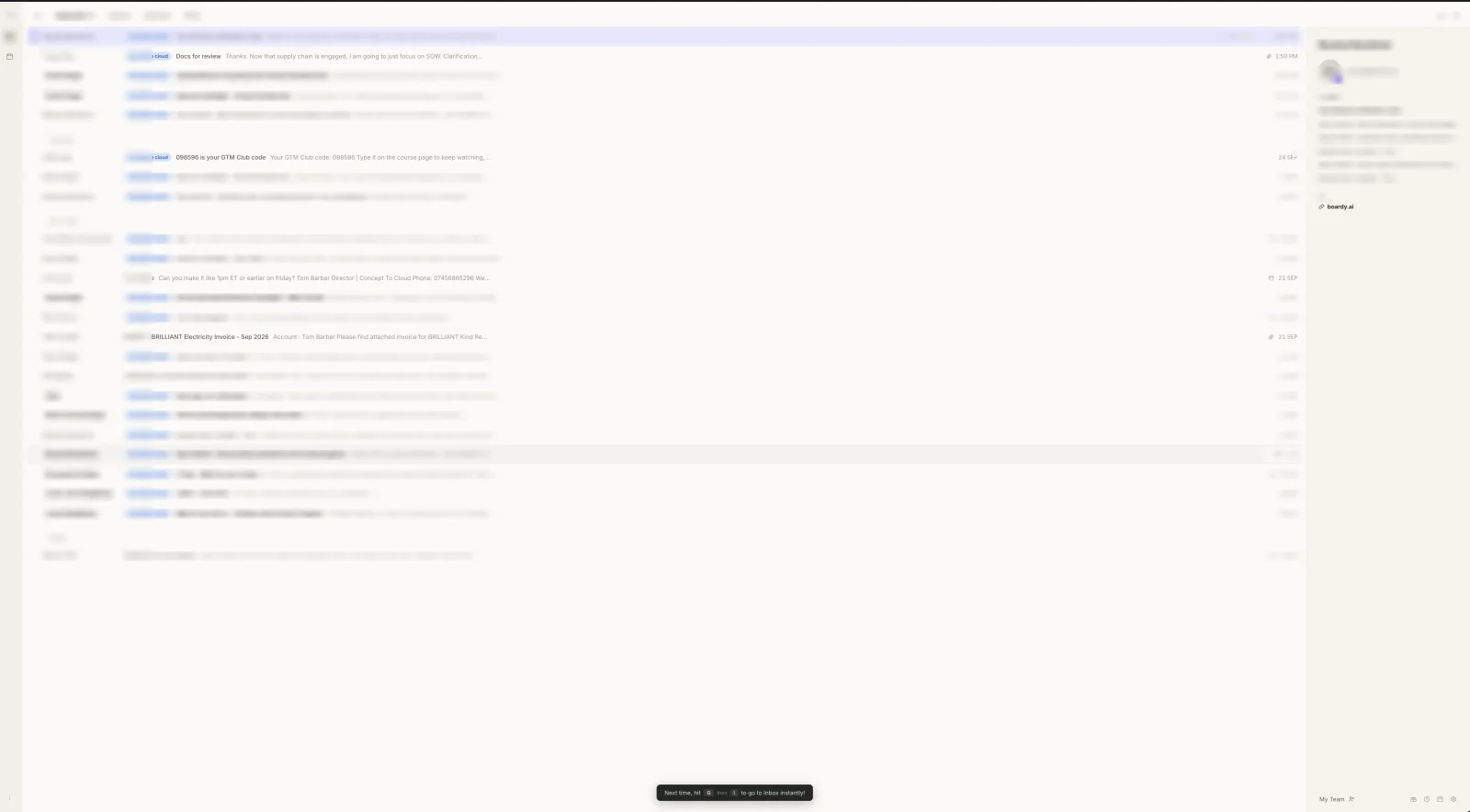
The screen out of the box looked good. And we got a popup menu.
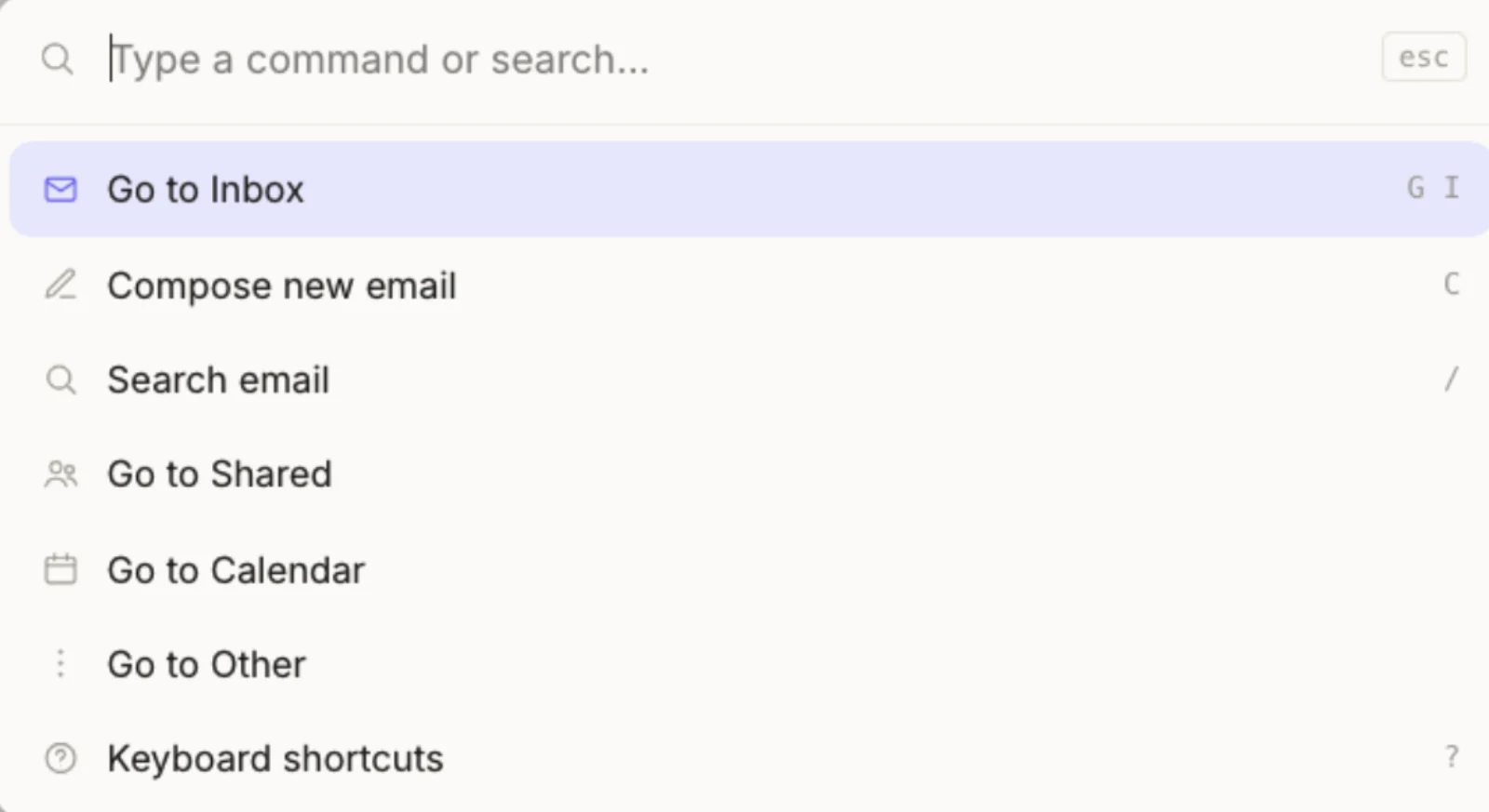
The performance was pretty good, and of course we then look at the cost of all this. Which obviously includes setting up a project from scratch, building it, and so on. Cost: 3 cents. Not bad!
deepseek/deepseek-v4.1-flash
Next up we had DeepSeek. I had high hopes, I’d heard good things.
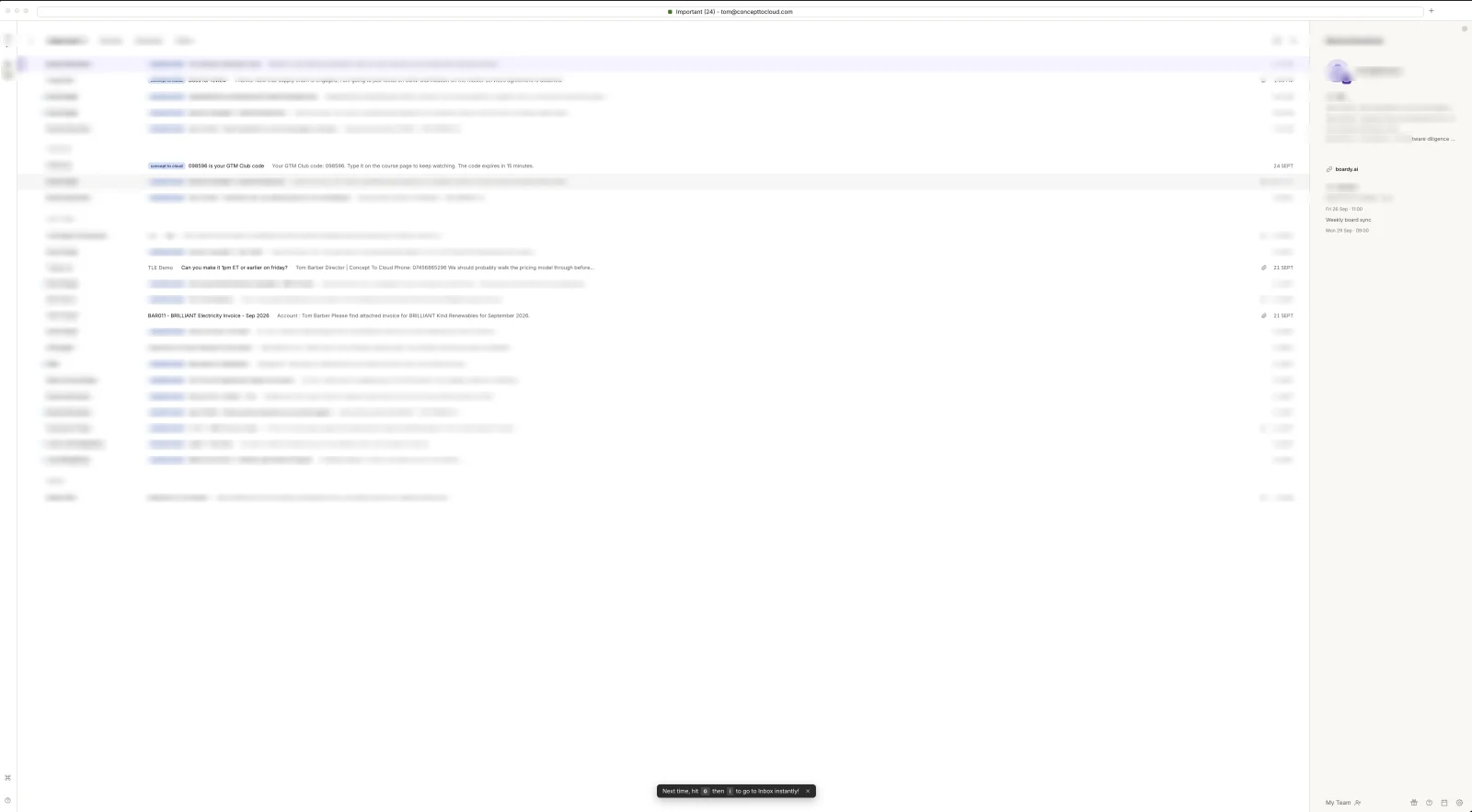
Again, good output, looks about right, nothing super out of place.
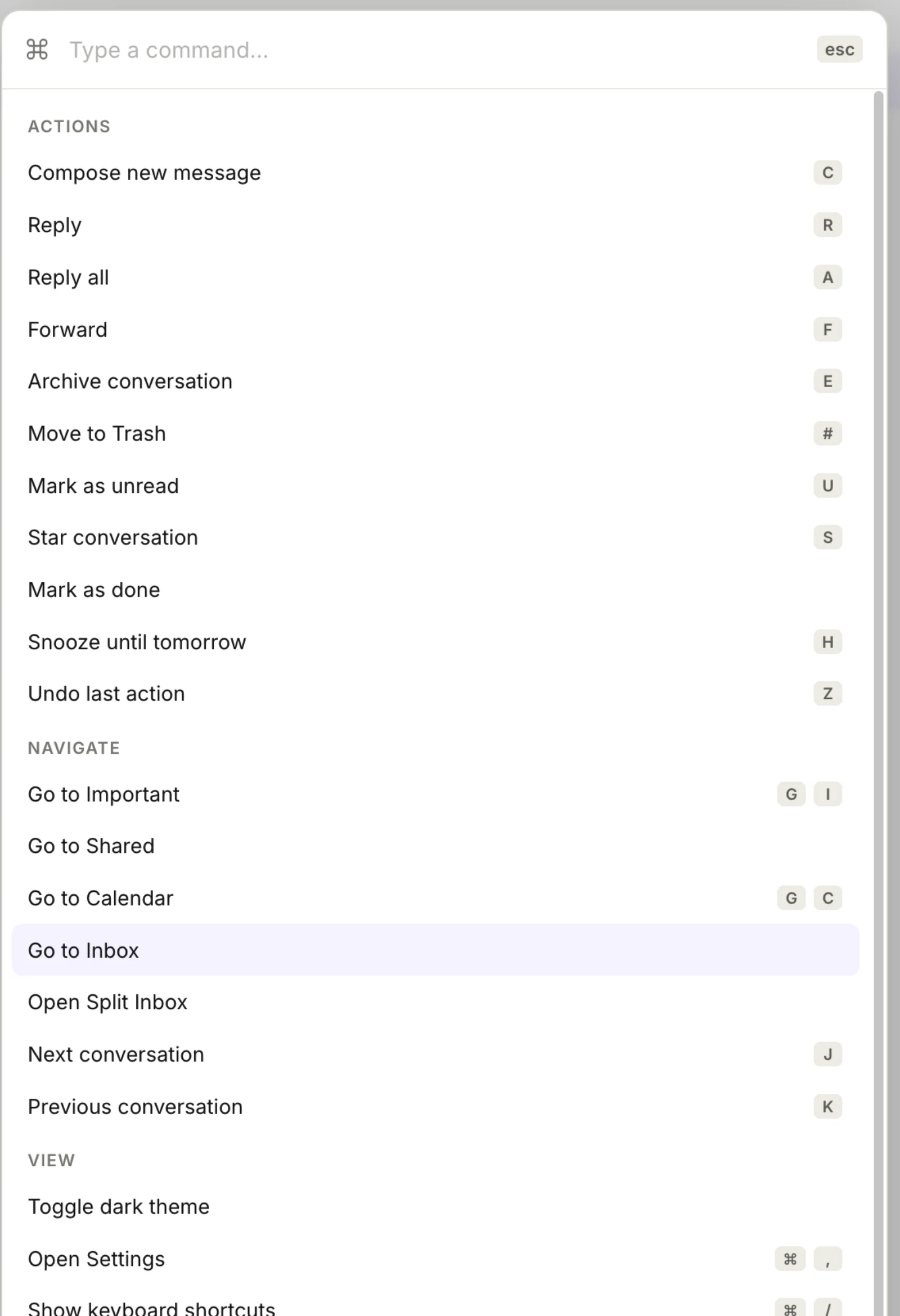
Also got the command palette. Looks pretty similar to space-bunny-alpha, no?
All of this cost 10x more than GLM though: 30 cents. Still not bad value for money, I don’t believe.
xiaomi/mimi-v2.6-flash
Next up we have Mimi.
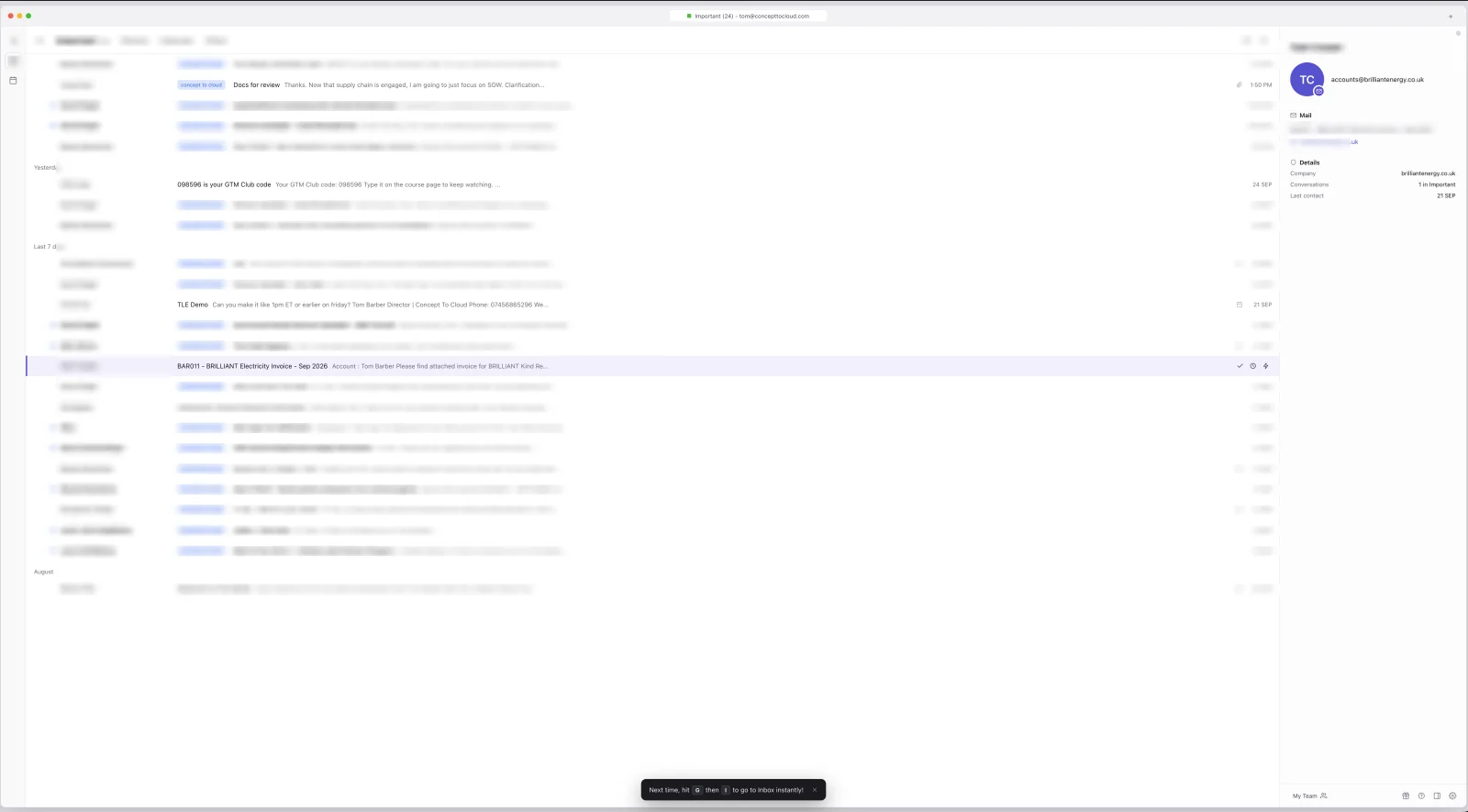
This time we had some slightly different window chrome, a little more chunky output. Again got a pretty good looking command palette. Don’t forget all these command palettes come from its own knowledge, and likely the shortcut tip at the bottom that was in my prompt screenshot.
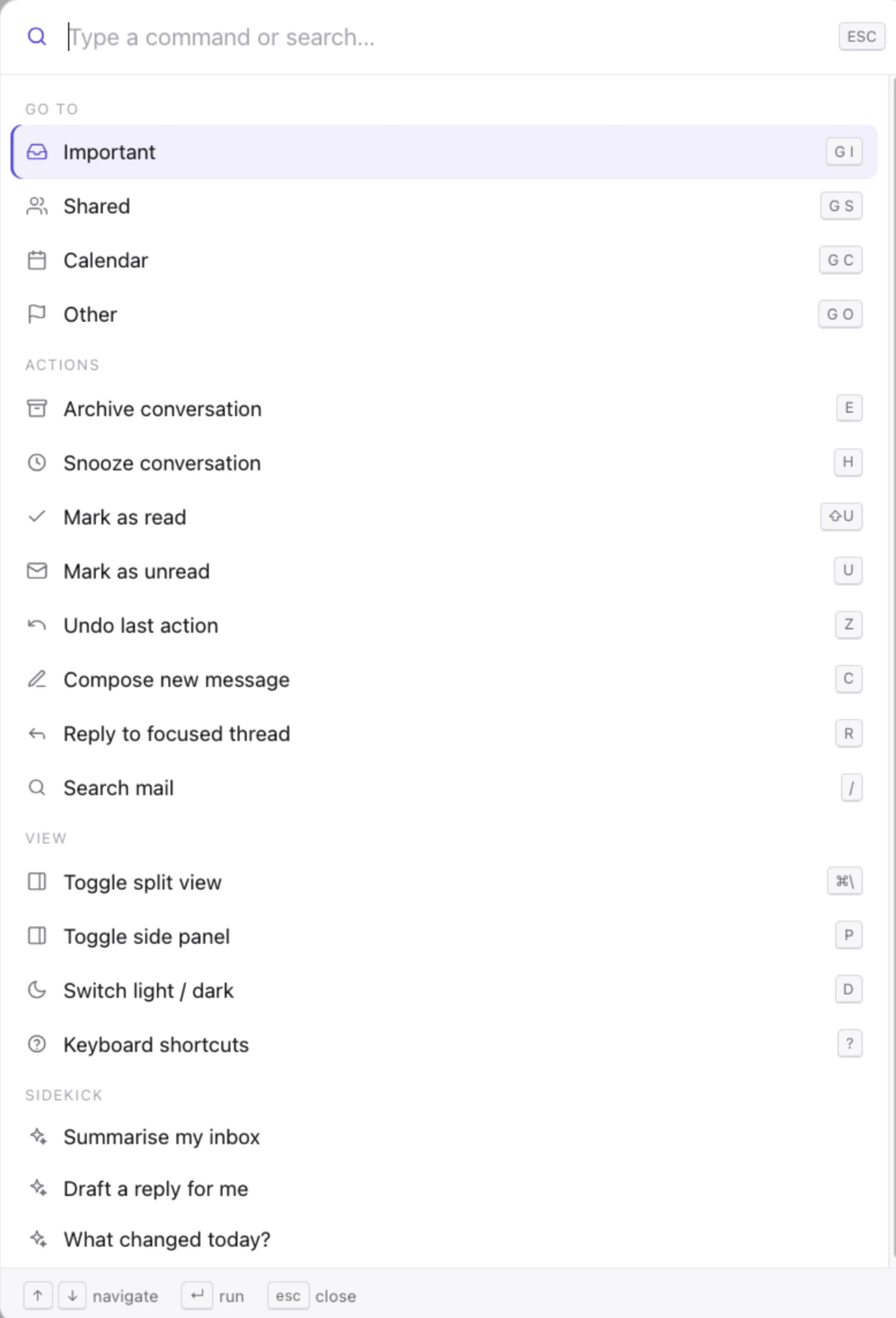
Not a bad attempt, probably the weakest of the three so far in my opinion. But how much did it cost? A whopping 22 cents.
tencent/hy4-preview
Last up we have hy4-preview from Tencent. I do like the output here, I think it’s pretty realistic.
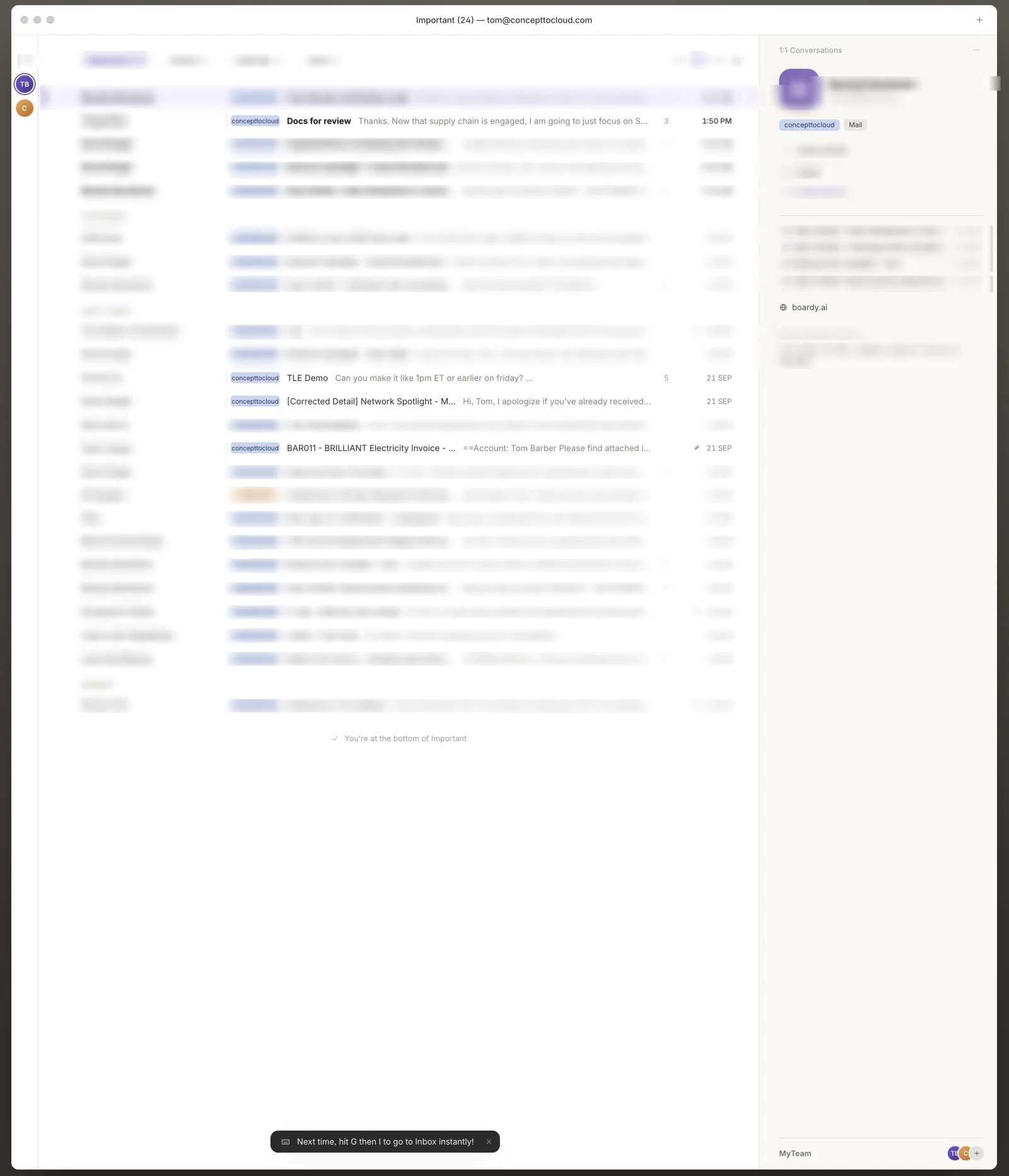
I may go as far as saying it was my favorite of the bunch, but there is a catch at the end. Again, standard command palette, looks good out of the box.
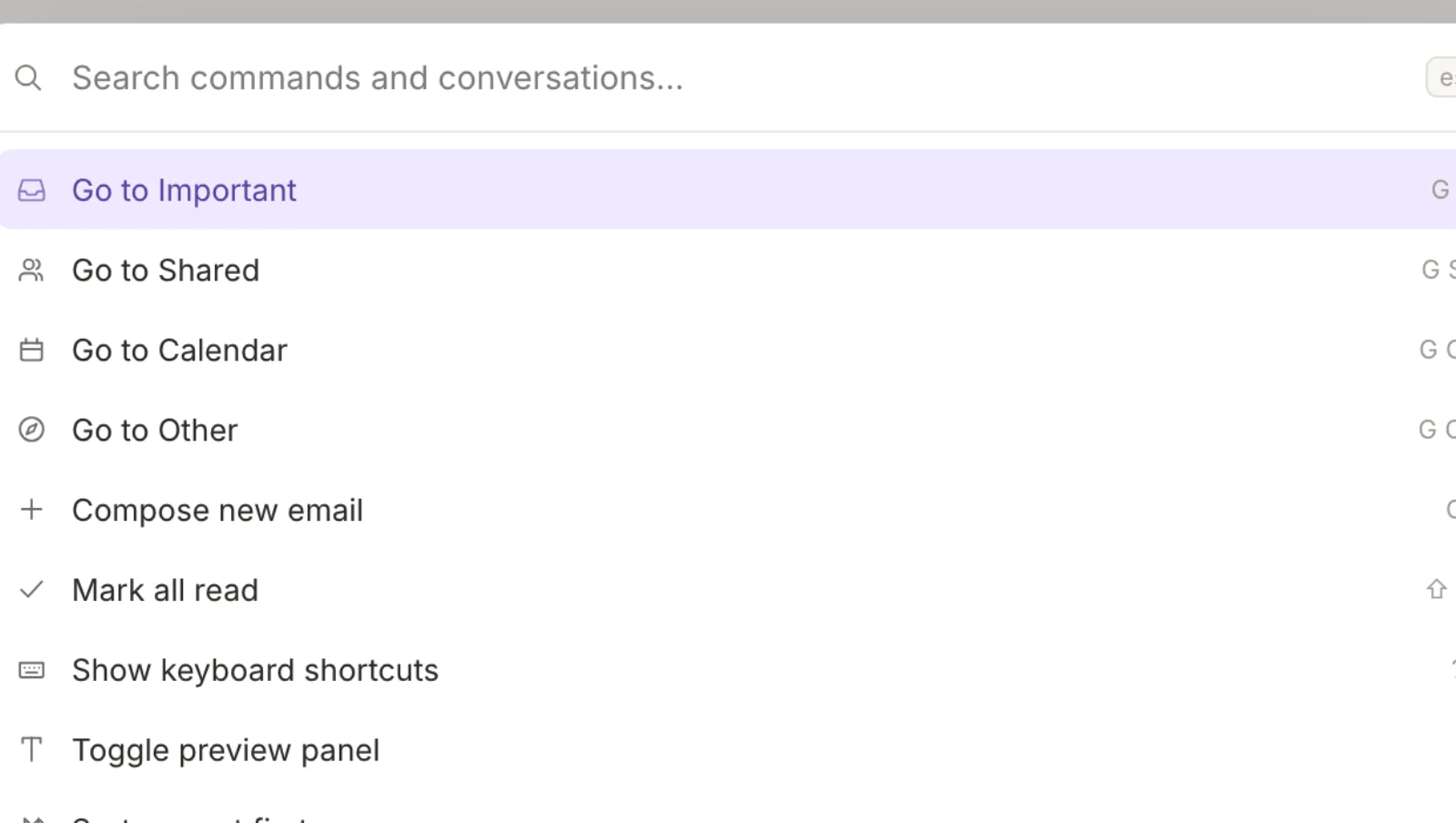
What’s the problem, you say? Well, I’ll tell you. It’s the price. This cost a whopping $1.18, which is the most by an absolute mile. Of course, if you were just using the model to rip off UIs or leverage existing designs this may be money well spent, but for me, considering what you get for 3 cents with GLM, this is an astronomical uplift.
So what does this tell us?
Not much? Well, I joke a little, but still not a great deal. It was a casual experiment into the ability of an LLM to build a UI it has likely trained on and also has a screenshot of.
It wasn’t supposed to be that in-depth, or that thorough. But I do think it tells you one thing: you get what you pay for. When comparing free and paid models it’s very clear. What you don’t see is that once you hit the paid models the difference between them is all marginal. Which is the same point as not all AI is created equal, arrived at from the cheap end: the interesting question is rarely which model, it is what you are asking it to do and what happens when it is unavailable or degraded. It depends on how much you care, what you’re looking for, and what you’re trying to achieve.
| Model | Free | Cost | Verdict |
|---|---|---|---|
| Nemotron 3 Ultra | Yes | Nothing | Slowest, didn’t compile |
| poolside/laguna-s-2.1 | Yes | Nothing | No show |
| inclusionai/ling-3.0-flash-fin | Yes | Nothing | Passable, shortcuts didn’t work |
| stealth/space-bunny-alpha | Yes | Nothing | Good, command palette out of the box |
| z-ai/glm-5.3-flash | No | 3c | Good, and the value pick |
| deepseek/deepseek-v4.1-flash | No | 30c | Good, 10x the price of GLM |
| xiaomi/mimi-v2.6-flash | No | 22c | Weakest of the paid four |
| tencent/hy4-preview | No | $1.18 | My favourite, and 39x the price of GLM |
If you are weighing models for something that has to hold up in production rather than survive a Friday night, that is the work we do: AI and data systems built so the model is a component you can swap, not the foundation you are betting on.
Ex-NASA engineer and cloud architect with over a decade of experience building scalable systems for startups and enterprises.
Work with Tom →